
Heather Rand’s Second Encounter with Grief
Blow OutThis flow follows Heather Rand from the consequences of her earlier inquest decisions to survival as the killer’s only living adult victim.
increasing Bearing strength in each event
 decreasing
Bearing strength in each eventdecreasingA Coroner’s Decision

A Coroner’s Decision
An inquest under strain
Heather Rand oversees the inquest into Mel Teesdale’s fatal collision. The jury returns an accidental-death finding despite Aaron Teesdale’s belief that the driver knowingly endangered others.
Heather considers the legal question of what the driver knew and accepts the jury’s verdict, though she later doubts whether the family received a just result.
Threats and restraint
Aaron threatens Heather and continues sending hostile messages. A restraining order is obtained, but Heather feels sympathy for a bereaved father and does not simply treat him as a criminal.
The case establishes a painful moral tension: professional judgment can be lawful and still leave a family with enduring injustice.
Retirement and Routine

Retirement and Routine
A new daily life
Heather has retired from the coroner’s role and spends time helping her daughter and walking her dog, Jack. The routines give structure to a life no longer organised by court work.
She continues to revisit the park, returning to the woods as part of an ordinary day. Her retirement changes her schedule, but does not erase the professional conflicts of her past.
An unforeseen target
A shooter targets her during a walk, apparently connecting her to an old grievance. Heather has no reason to expect that a former case will reach her years later.
The attack shows that the past can remain active in other people’s memories even after the institution and the individual have moved on.
Survival and Recognition
Survival and Recognition
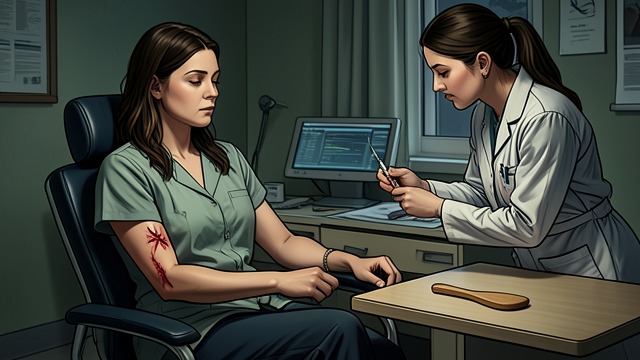
A prompt medical response
Heather’s pellet wound is treated before ricin poisoning can take the course seen in the earlier cases. The police alert allows the hospital to recognise the risk and administer the antidote.
Her survival gives her time to understand that the attack may be part of a series. She connects the new information to public reports and asks direct questions of the investigators.
A witness to her own past
Joanne asks Heather to review people who may hold grudges. Heather recalls Aaron Teesdale and the unresolved anger following his wife’s inquest.
She is not merely an injured victim; her memory helps investigators identify a possible motive and examine a family history that might point elsewhere.
Reopening Old Wounds
Reopening Old Wounds
A threat revisited
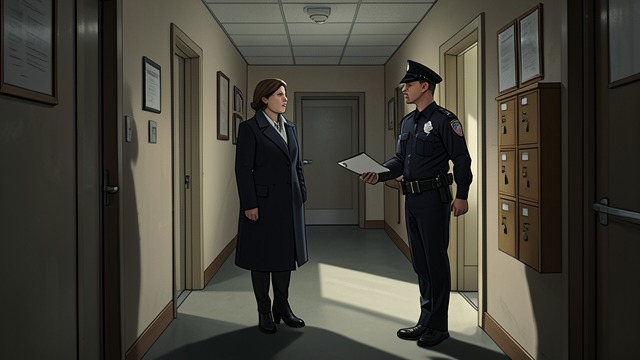
The inquiry into Heather’s attack brings police back to the old threats recorded by Manchester Coroner’s Service. Aaron’s name initially appears to fit the grievance and his firearms access warrants checking.
Heather’s past professional decisions now have an immediate bearing on her safety, despite years of distance from the inquest.
The cost of old judgments
The investigation tests whether anger over a legal outcome can become violence. Heather’s own account complicates any simple judgment of Aaron, who was grieving and profoundly distressed.
The inquiry ultimately looks beyond him, but the emotional history remains meaningful: a lawful verdict did not settle the pain it created.
A Life Reclaimed, Not Erased
A Life Reclaimed, Not Erased
Physical recovery begins
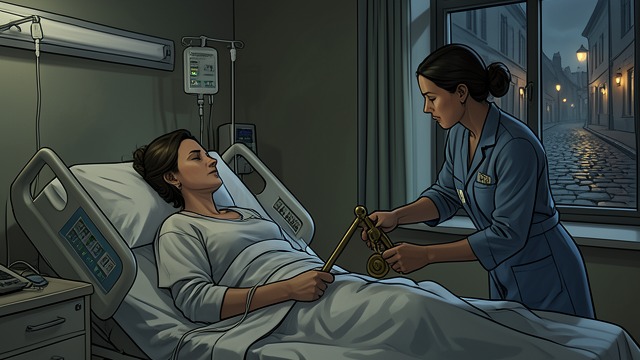
Heather receives medical care and is expected to recover, though she remains in hospital for observation. The outcome contrasts sharply with the earlier victims’ delayed discovery and treatment.
Her survival does not remove the fear of being targeted or the memories of the attack. Recovery is an ongoing process rather than an instant return to her previous routine.
The meaning of the past
The investigation’s eventual focus on Darren Clements does not make Heather responsible for the crimes committed in response to his grievance. Her earlier decision was part of a legal process, not a personal invitation to violence.
Her continued presence gives the case a human counterpoint to the victims who died: she can heal, testify, and reclaim some agency.
Spring 2011
Early October 2017
Thursday evening, October 19
Friday, October 20
Monday, October 23
